Public Health Policy-
Dr. Tanmoy Mukherji
Advocate
Public Health Policy-
Tanmoy Mukherji
Advocate
Meaning-
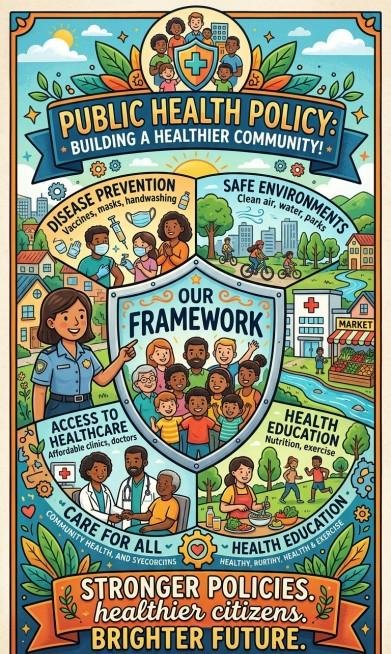
Public Health Policy refers to government actions, laws, programmes and strategies aimed at protecting and improving the health of the public.
It includes:
→Prevention of diseases
→Medical infrastructure
→Vaccination
→Nutrition
→Sanitation
→Affordable healthcare
→Mental health protection
Objectives of Public Health Policy-
→Improvement of public health
→Reduction of mortality rate
→Prevention of epidemics
→Universal healthcare access
→Protection of vulnerable groups
→Promotion of hygiene and sanitation
Components of Public Health Policy-
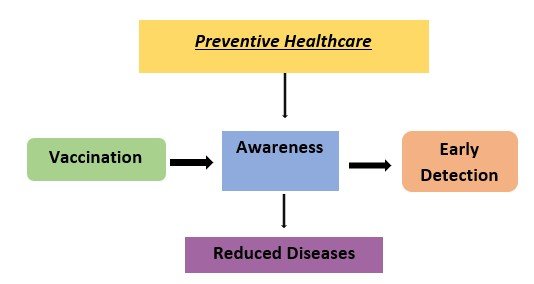
1. Preventive Healthcare-
Focuses on preventing diseases before they occur.
Examples:
→Vaccination programmes
→Health awareness campaigns
→Regular health check-ups
2. Curative Healthcare-
Treatment of diseases through hospitals and medical services.
Includes:
→Government hospitals
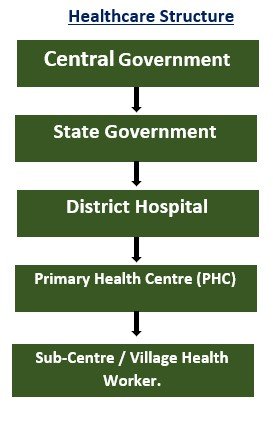
→Primary Health Centres (PHCs)
→Emergency medical care
3. Rehabilitative Healthcare-
Helps patients recover and return to normal life.
Examples:
→Rehabilitation centres
→Mental health support
→Disability assistance
Important Public Health Policies in India-
National Health Policy, 2017-
Main objective: "Health for All"
Features:
→Affordable healthcare,
→Digital health services,
→Increase public health expenditure,
→Universal health coverage.
Ayushman Bharat Scheme-
Major health insurance programme of India.
Features:
→Financial protection for poor families,
→Free treatment in empanelled hospitals,
→Health and Wellness Centres.
National Rural Health Mission (NRHM)-
Launched for improving rural healthcare facilities.
Focus Areas:
→Maternal healthcare,
→Child healthcare,
→Rural hospitals,
→ Immunization.
Swachh Bharat Mission
Health policy connected with sanitation and hygiene.
Objectives:
→Elimination of open defecation,
→Clean drinking water,
→Public sanitation.
Public Health Infrastructure in India-
Challenges in India-
→Lack of doctors in rural areas,
→Poor infrastructure,
→High population,
→Malnutrition,
→Pollution,
→Spread of communicable diseases,
→Low public expenditure.
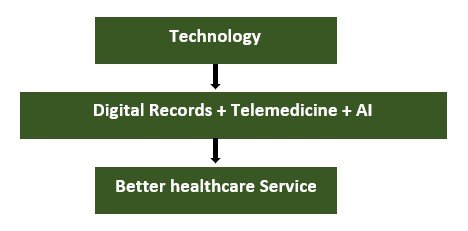
Role of Technology-
Telemedicine,
Online consultation,
Health databases
Digital Health Mission.
COVID-19 AND PUBLIC HEALTH POLICY-
COVID-19 highlighted the importance of strong public health systems.
Government Measures:
→Vaccination drives
→Lockdown policies
→Aarogya Setu App
→Free vaccination programme
ROLE OF INTERNATIONAL ORGANIZATIONS-
World Health Organization (WHO) helps countries improve healthcare systems and control diseases globally.
LANDMARK CASE LAWS-
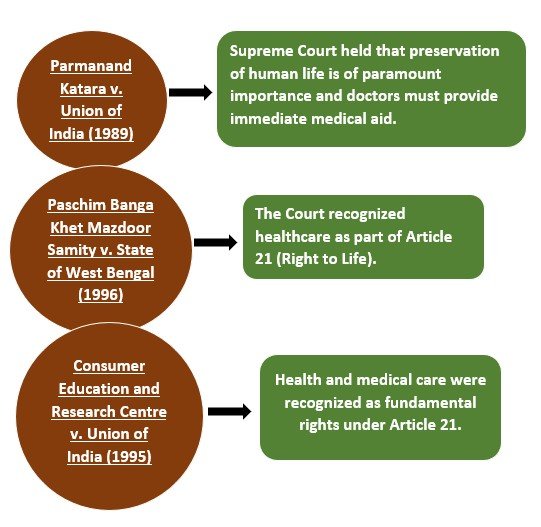
IMPORTANCE OF PUBLIC HEALTH POLICY-
→Healthy population increases productivity
→Reduces poverty
→Improves life expectancy
→Strengthens human development
→Essential for economic growth
CONCLUSION-
Public Health Policy is essential for building a healthy nation. In India, effective health policies help in reducing diseases, improving sanitation, protecting poor citizens and ensuring social justice. A strong healthcare system is necessary for sustainable national development.

we believe in a holistic approach to legal education building not just lawyers, but socially conscious leaders of tomorrow.
