Privity of Contract
Dr. Tanmoy Mukherji
Advocate
Privity of Contract-
Tanmoy Mukherji
Advocate

→Privity of Contract means a contract is enforceable only by and against the parties to it.
→If you are not a party, you are a stranger and cannot sue or be sued.
Classic Definition (Pollock & Mulla)-
"A stranger to a contract cannot sue upon it, even if the contract is made for his benefit."
Two Important Aspects-
1.Enforcement of contract – Only a party can enforce.
2.Imposition of liability – A stranger cannot be made liable under the contract.
Leading English Case Laws-
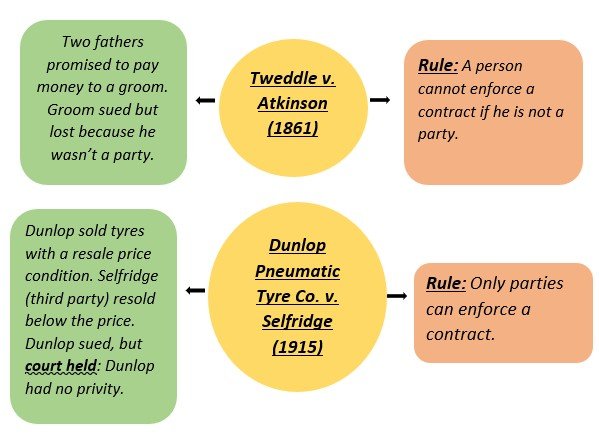
Indian Position-
→Indian Contract Act, 1872 does not expressly state the doctrine of privity.
→But Indian courts follow English principles.
→However, Indian courts are more flexible and have carved out many exceptions.
Exceptions to Privity of Contract (Indian Law)-
1.Beneficiary of a Trust-
If a contract is made for the benefit of a beneficiary under a trust, he can enforce it.
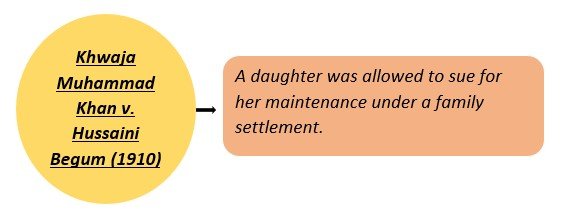
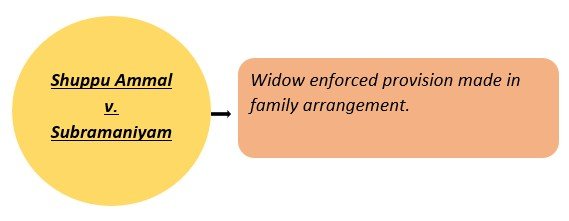
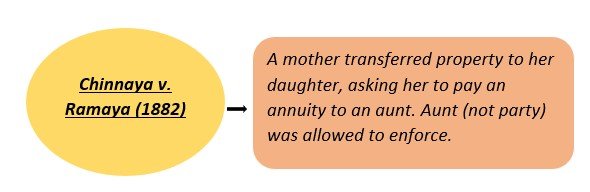
2.Family Arrangements / Marriage Settlements-
Members of a family can enforce agreements made for their benefit, even if not parties.
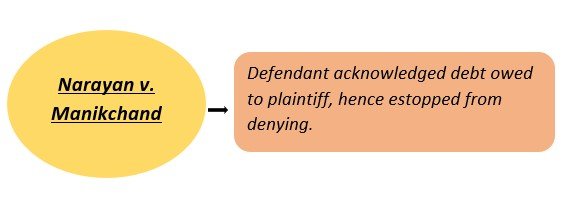
3.Acknowledgment of Liability / Estoppel-
If a party acknowledges liability to a third party, he is bound.
4.Agency-
Contracts entered into by agents can be enforced by principals.
5.Assignment of Contract-
Rights under a contract may be transferred (assigned) to a third party. The assignee can enforce them.
6.Charge or Covenant Running with the Land-
If a contract creates a charge or covenant attached to land, the successor in title can enforce it.
Why the Rule Exists?
→To maintain certainty in contract law.
→Prevents strangers from interfering in agreements.
→Ensures obligations are mutual and voluntary.

we believe in a holistic approach to legal education building not just lawyers, but socially conscious leaders of tomorrow.
